
Life in the early days of Portland, Oregon, during the mid-19th century, was typical of a frontier town in the Pacific Northwest. Here are some key aspects:
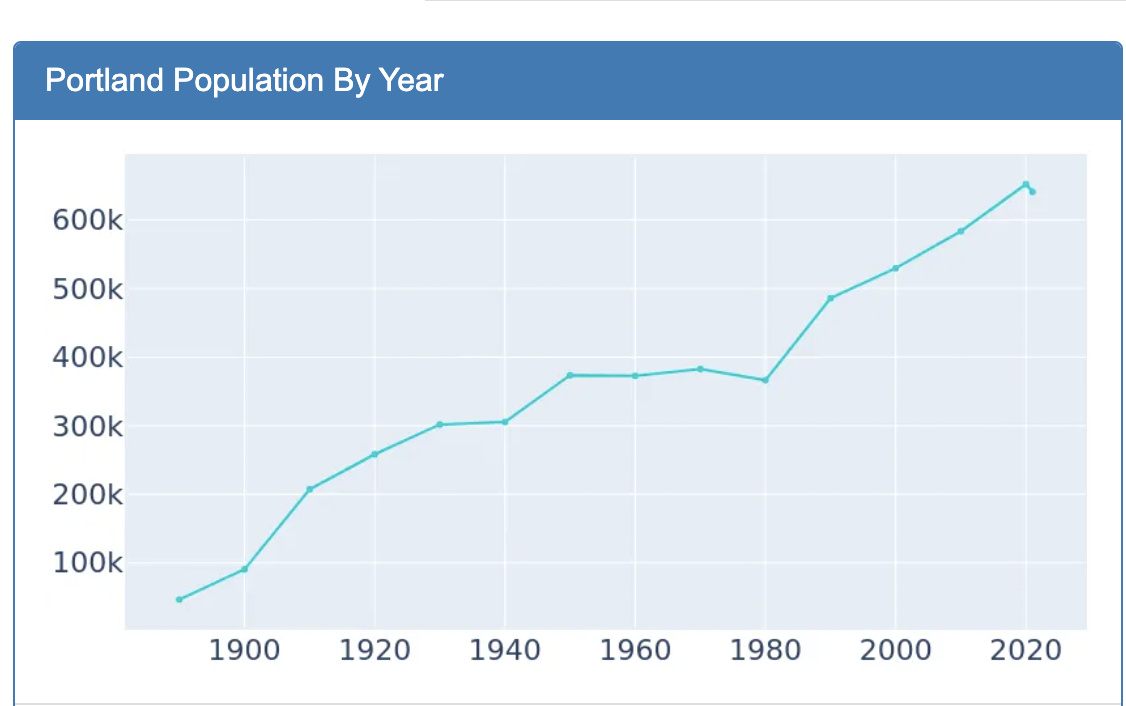
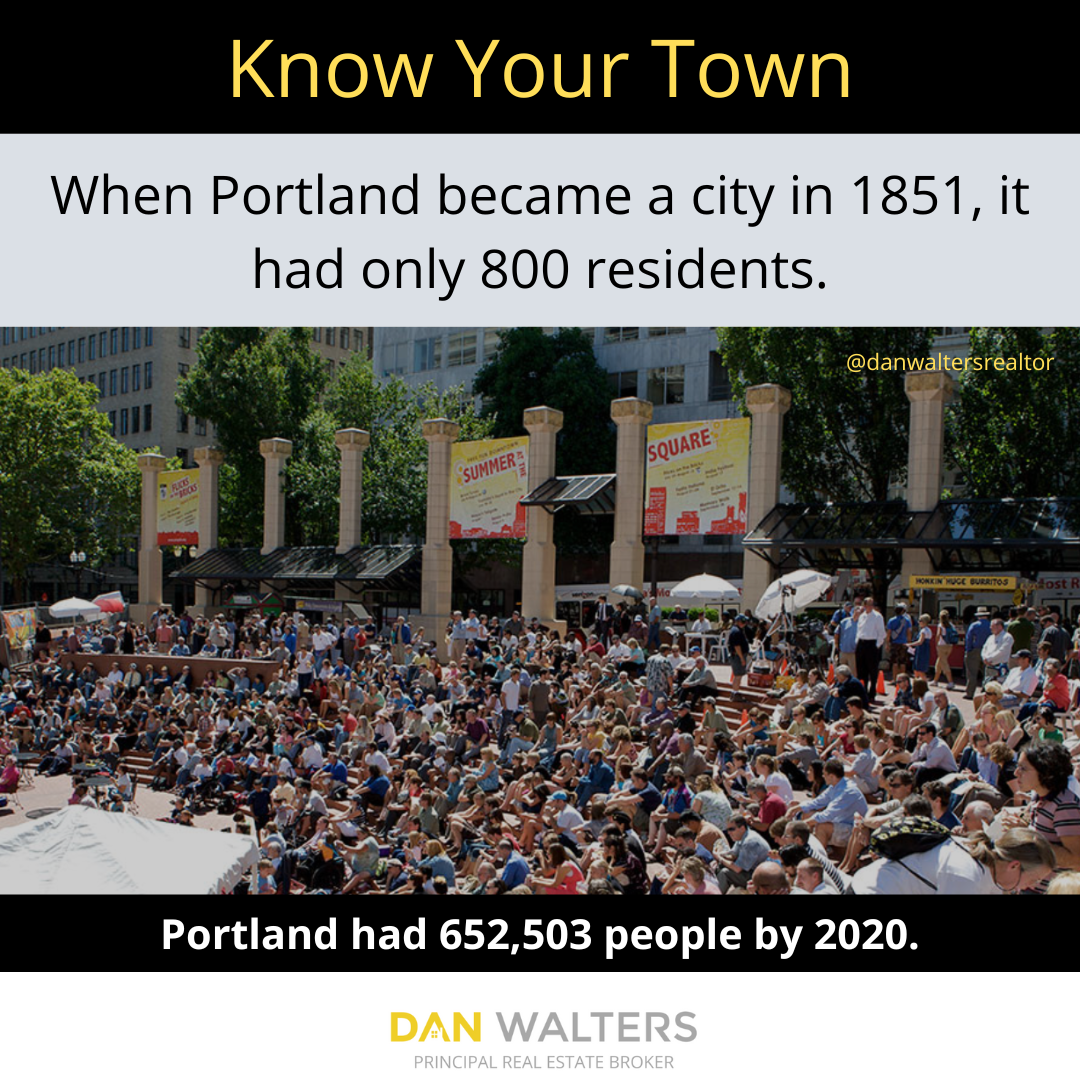
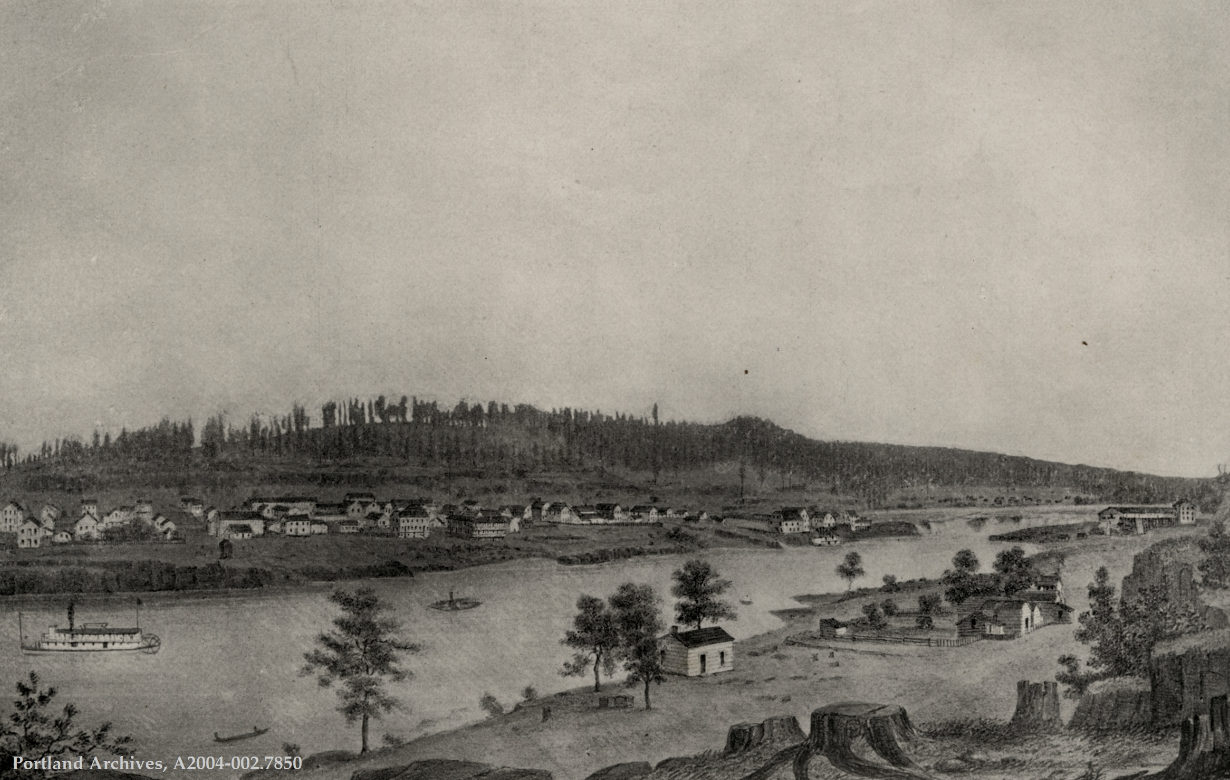
Settlement and Growth: Portland was founded in 1845 and incorporated in 1851. It grew from a small lumber town into a significant port city. The city's location along the Willamette River was strategic for trade and transportation, particularly for the timber industry.
Economy: The early economy was heavily reliant on the timber industry, as well as agriculture and fishing. Portland served as a major shipping port for these goods. The Gold Rush in California also brought business and growth, as Portland became a supply point for miners.
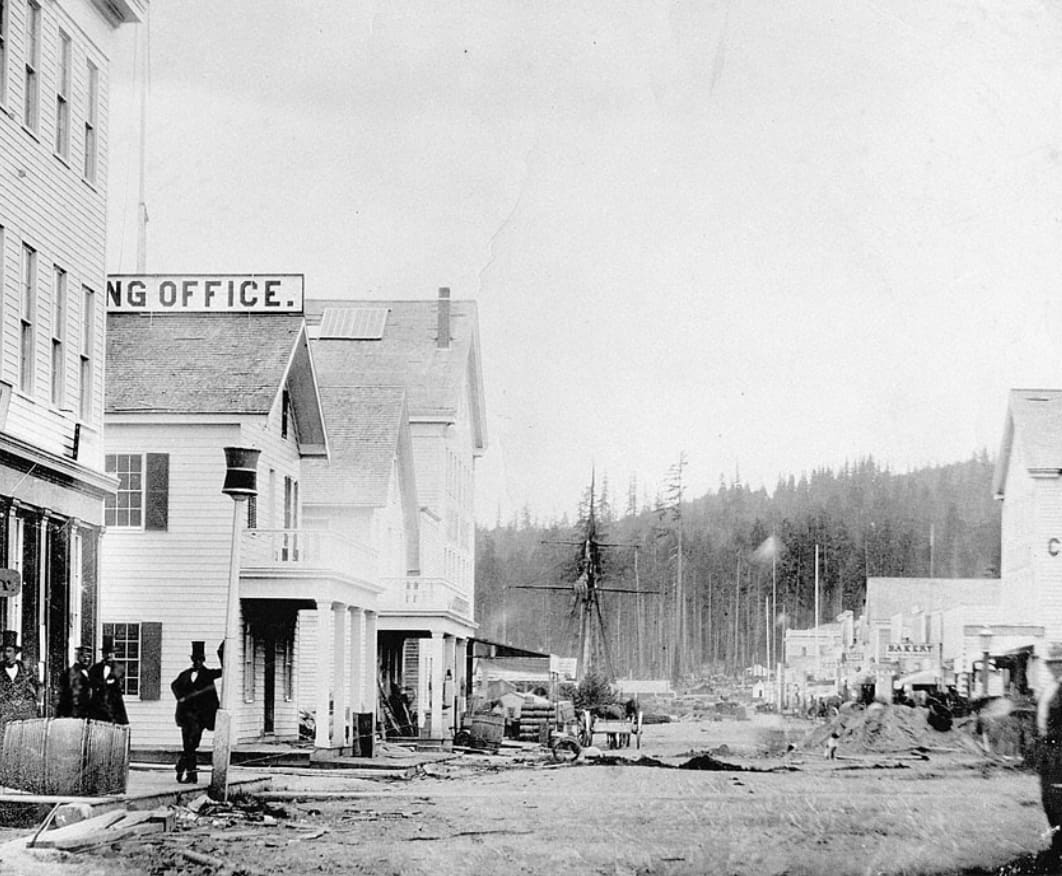
Living Conditions: Living conditions were rustic and challenging. Early residents lived in simple wooden structures. The city lacked modern amenities, and residents often had to be self-sufficient. Roads were unpaved, and transportation was primarily by horse, foot, or boat.
Society and Culture: The population was diverse for its time, including Native Americans, European settlers, and immigrants from Asia. However, racial and ethnic tensions were also part of this era. Social life centered around churches, community events, and saloons.
Conflict and Law: Like many frontier towns, Portland had its share of lawlessness. This included conflicts with Native American tribes, as well as issues with crime and vice in the growing city.
Infrastructure Development: Basic infrastructure began to develop, including roads, bridges, and the first buildings. The construction of the transcontinental railroad in the later part of the 19th century significantly boosted Portland's growth and connectivity.
Environment: The city was surrounded by vast forests, rivers, and the nearby Cascade Range, offering abundant natural resources but also challenges like flooding and difficult travel conditions.
This period was marked by rapid change and growth, setting the stage for Portland to evolve into the major city it is today.