
10 Reasons Your Home Staging Isn't Working (And How to Fix It)
![[HERO] 10 Reasons Your Home Staging Isn't Working (And How to Fix It)](https://cdn.marblism.com/ofnegUnPvHM.webp)
Home staging is often the primary factor that determines whether a property sells in the first weekend or lingers on the market for months. In the 2026 Portland real estate market, buyers have become increasingly discerning as they navigate fluctuating inventory levels and stabilizing interest rates.
If your home is sitting on the market while others nearby are getting multiple offers, your staging might be the culprit. Effective staging is not about decorating; it is about creating a neutral, aspirational environment that allows a buyer to mentally move in.
Here are 10 reasons your home staging isn't working and the actionable steps you can take to fix them.
1. You Are Living in a Time Capsule
The "shabby chic" look of 2012 or the heavy oak cabinetry of the 1990s may hold sentimental value for you, but to a buyer, it looks like a high-interest renovation loan. If your decor feels like a period piece, buyers will struggle to see the home’s potential.
Per industry standards, outdated decor is one of the top reasons buyers negotiate for lower prices. They see old wallpaper or brass fixtures and immediately start subtracting five-figure sums from their offer.
How to Fix It:
- Replace outdated brass or brushed nickel hardware with matte black or champagne bronze.
- Neutralize bold accent walls with a modern off-white or soft grey.
- Remove "Live, Laugh, Love" signage and any decor that dates the home to a specific decade.
2. The "Clutter-Core" is Real
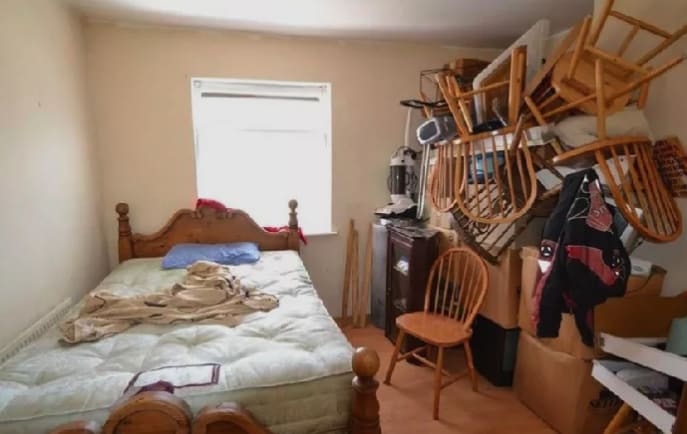
Living in a home while trying to sell your house Portland is difficult, but letting your daily life spill into every corner is a staging killer. Excess stuff makes even the largest rooms feel cramped and claustrophobic.
Research notes that buyers typically spend less than 15 minutes in a home during a first showing. If they spend that time looking at your toaster collection or a stack of mail, they aren't looking at the architecture.
How to Fix It:
- Adopt the "50% Rule": Remove half of everything on your shelves, in your closets, and on your counters.
- Clear all kitchen surfaces except for one or two high-end appliances.
- Rent a storage unit for anything that isn’t essential for day-to-day survival during the listing period.

3. Furniture Scale Issues
Many homeowners use furniture that is either far too large for the room or awkwardly small. A king-sized bed crammed into a standard Portland bungalow bedroom makes the room look tiny, regardless of the actual square footage.
When furniture is incorrectly scaled, it disrupts the flow of the room and makes the floor plan feel "wrong" to the subconscious mind of the buyer.
How to Fix It:
- Ensure there is at least 30 to 36 inches of "walkway" space between furniture pieces.
- If a room feels small, try replacing a heavy coffee table with a glass or acrylic version to create visual "air."
- If a room is massive and feels cold, use area rugs to define specific "zones" for conversation or dining.
4. Ignoring the Outdoor "Room"
In Portland, we value our outdoor spaces, even when it’s drizzling. If your backyard is just a patch of moss and a rusted grill, you are leaving money on the table. Buyers in 2026 are looking for gardens and functional exterior living areas.
A well-staged patio acts as an additional room, effectively increasing the perceived square footage of your home without the cost of an addition.
How to Fix It:
- Pressure wash everything, the siding, the deck, and the driveway.
- Set up a "vignette" on the porch or patio with a clean outdoor rug, two chairs, and a small table.
- Add fresh mulch and a few seasonal plants to garden beds to show that the exterior is maintained.
5. Scents That Make People Suspicious
If a buyer walks into a home and is hit with a wall of "Summer Linen" scented candles, they don't think "Wow, this smells great." They think "What are they hiding?" Strong fragrances are often used to mask smells like pet dander, mold, or cigarette smoke.
In a competitive market, a suspicious buyer is a buyer who walks away. You want your home to smell like absolutely nothing.
How to Fix It:
- Avoid candles, plugins, and heavy room sprays entirely.
- Deep clean all carpets and soft surfaces two weeks before listing.
- Open the windows for at least two hours before every showing to let the house breathe.
6. Bad Lighting (The Basement Dungeon Effect)
Low light makes a home feel depressing, and harsh "daylight" blue bulbs make it feel like a surgical suite. Lighting is perhaps the most underrated aspect of staging tips to sell house portland.
If your rooms have dark corners or mismatched bulb temperatures, the home will photograph poorly and feel uninviting in person.
How to Fix It:
- Standardize all light bulbs to a "Warm White" (approximately 2700K to 3000K).
- Follow the "three-point" lighting rule: Every room should have overhead lighting, task lighting (lamps), and accent lighting.
- Keep all blinds open and curtains pulled back during daylight hours.

7. Too Many Family Photos
We know your kids are cute and your wedding was beautiful, but buyers shouldn't know that. When a home is filled with personal photos, it feels like a private sanctuary where the buyer is an intruder.
Your goal is to transform the house from "your home" into "a product." This detachment is necessary to how to prepare house for sale portland effectively.
How to Fix It:
- Replace family photo galleries with neutral, abstract art.
- Remove diplomas, trophies, and personalized "The Smith Family" decor.
- Pack away the kids' artwork from the refrigerator.
8. Neglecting the Entry and Curb Appeal
First impressions happen in the first seven seconds. If the front door is peeling and the welcome mat is tattered, the buyer is already in a negative frame of mind before they even step inside.
The entry sets the tone for the entire tour. If the "handshake" of the house is weak, the rest of the tour will be an uphill battle.
How to Fix It:
- Give the front door a fresh coat of paint in a bold but tasteful color.
- Buy a new, high-quality welcome mat.
- Ensure the entryway is brightly lit and completely free of shoes and coats.
9. Misunderstanding the Neighborhood Vibe
Staging is not one-size-fits-all. If you are selling a boho-chic bungalow in Southeast Portland but stage it with ultra-modern, gold-accented "glam" furniture, you will alienate your target demographic.
A portland real estate agent understands that each neighborhood has its own "brand." Your staging should lean into that brand rather than fighting it.
How to Fix It:
- Research the "vibe" of recent sales in your specific area.
- If you're in a family-oriented area, stage a bedroom as a kid’s room or a playgrounds and parks hub.
- If you're in a trendy urban core, focus on home office setups and sleek, space-saving furniture.
10. The "Ghost House" (Empty and Cold)
On the opposite end of the clutter spectrum is the completely empty house. Empty rooms actually look smaller than furnished ones because there is no scale for the eye to reference. They also feel cold, echoey, and highlight every minor floor scratch or wall dent.
An empty house lacks the emotional "pull" that makes a buyer fall in love and write an offer.
How to Fix It:
- At a minimum, "key-room stage" the living room, kitchen, and primary bedroom.
- Use "soft staging": towels in the bathroom, a runner in the hall, and rugs: to dampen echoes.
- Consider professional staging services if the home is completely vacant.
What This Means for You
Staging is an investment, not an expense. While it can be tempting to skip these steps to save time, the data suggests that staged homes sell faster and for more money than their non-staged counterparts. In a market where buyers are looking for a rewarding experience, the effort you put into presentation pays dividends at the closing table.
Professional representation can make this process significantly easier. At The W Real Estate Group at Keller Williams Portland Elite, we provide our clients with comprehensive pre-market preparation advice. We understand how to bridge the gap between a "lived-in" home and a market-ready asset.
If you are considering selling, it might be worth it to walk through your home with a fresh set of eyes. Are you showing off the home's features, or are you showing off your stuff?
Bottom Line: Successful staging is about subtraction and strategy. By addressing these 10 common pitfalls, you position your property to stand out in the Portland market and secure the best possible return on your investment.
If you’re ready to see how your home stacks up against the competition, or if you want a professional opinion on your pre-market checklist, we are here to help.
Contact Information: Dan Walters, Realtor Owner, Principal Real Estate Broker The W Real Estate Group at Keller Williams Portland Elite Explore our sold portfolio Start your home search