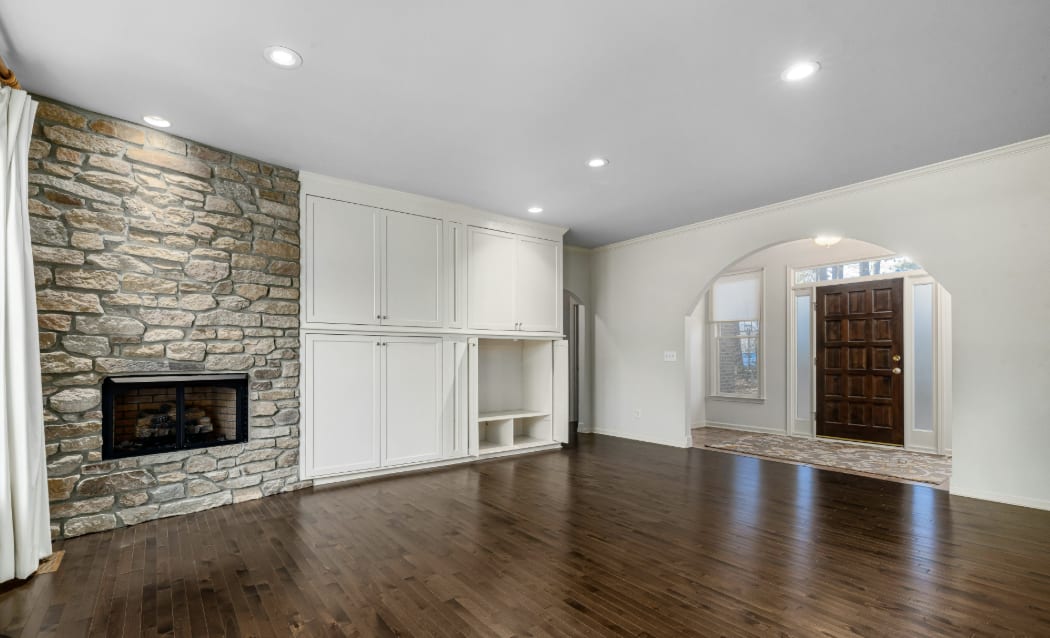

Staging a vacant home for sale is a strategy that can make a huge difference in how quickly your property sells and at what price, but it isn't a one-size-fits-all decision. Here’s an honest breakdown of the reasons to stage or not stage, including tips based on property type, size, and price point.
Why Stage a Vacant Home?
Staging brings life and warmth to empty rooms, helping buyers visualize the purpose and scale of each space. Professionally staged homes often sell faster and fetch higher prices — in many markets, staged homes have been shown to sell up to 87% faster and for up to 17% more compared to vacant homes. Staging creates neutral, attractive spaces that appeal to a wider audience and help buyers emotionally connect with the property.
Reasons You Might Not Stage
Despite the benefits, staging is costly. Professional staging can run from $750-$2,400 per month, which can be a significant burden, especially if you’re already carrying multiple housing expenses. Not all markets or price points deliver the same return on staging investment; in very high-end markets, staged homes may sell for less than 1% more than empty ones, making the expense harder to justify. Additionally, if your home is well-maintained, clean, and located in an area with hot demand, buyers may overlook the absence of staging.
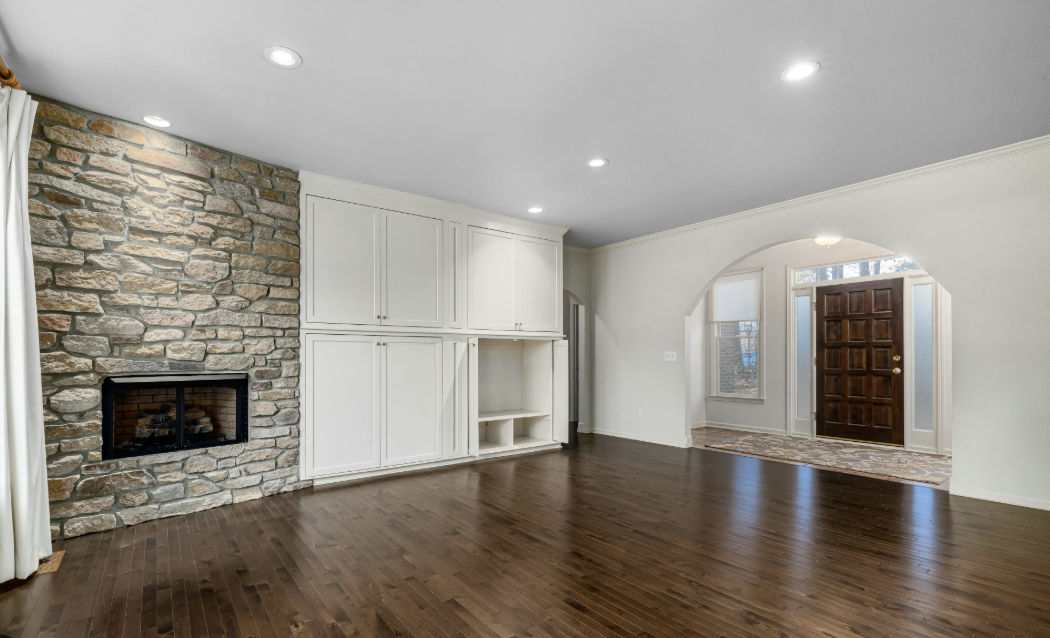
Pros and Cons by Home Type, Size, and Price Point
Luxury & High-End Homes: Buyers expect a polished look; professional staging can significantly influence the perception of value and is almost always recommended.
Small Homes or Condos: Staging prevents spaces from appearing cramped or confusing; empty small rooms often seem even smaller.
Large, Open Floor Plans: Staging can help define distinct living spaces, which is crucial in open-concept designs.
Budget or Entry-Level Homes: If budget is a concern, DIY staging or virtual staging may provide a good balance of impact and cost.
Hot Markets: If demand far exceeds supply, you may get away without staging, especially if your property photos are crisp and the price is right.
Potential Downsides
Besides the cost, staging can introduce logistical headaches—furniture must be delivered and removed, and there’s risk of damage. Empty homes are also more likely to reveal every minor flaw, and may even become targets for vandalism or crime if left obviously vacant for extended periods.
Takeaway
Should you stage your vacant home before selling? For most sellers, especially those with mid-tier or luxury listings, professional staging can reduce time on market and boost sale price. Yet it’s not always necessary — for homes in extremely hot markets or tight budgets, simple improvements or DIY staging may close the gap. Consult your local real estate expert to tailor the strategy to your property and neighborhood.
Thinking of selling your vacant home? Weigh the benefits and drawbacks of home staging to boost your sale while saving time and money. For a personalized staging strategy in your market, connect with a trusted Portland real estate professional today.