
The Decline of Fixer-Uppers: Why Buyers Are Opting for Move-In-Ready Homes in 2025
A recent Zillow® analysis reveals a shift in buyer preferences: fixer-uppers are selling for the biggest discount in three years, while remodeled homes are commanding a premium. In fact, buyers are willing to pay nearly 4% more than expected for homes that have already been renovated — an additional $13,194 on the typical U.S. home. This trend marks the highest sale price premium Zillow has seen among 359 listing keywords analyzed from over 2 million homes in 2024.
Why the Shift?
Remodeled homes are in high demand. Zillow data shows that remodeled listings receive 26% more daily saves and 30% more daily shares compared to similar homes that aren't updated. This increased attention signals that buyers are more serious about these properties and are more likely to take the next steps in their home-buying journey.
The Premium for Remodeled Homes
While it might seem obvious that remodeled homes should fetch higher prices, this wasn’t always the case. Just last year, the term "remodeled" only translated to a modest 0.8% price boost. Prior to the pandemic, homes labeled with terms like “fixer,” “TLC,” or “needs work” were actually more appealing to buyers seeking bargains.
Amanda Pendleton, Zillow's home trends expert, explains, "Fixer-uppers were often attractive to first-time buyers due to the lower initial price, but with today’s tight housing market, many buyers can't afford the additional costs of renovations. A remodeled home may carry a higher price tag, but the extra cost can be spread out over the length of a mortgage, whereas buyers would have to pay for repairs upfront with a fixer-upper."
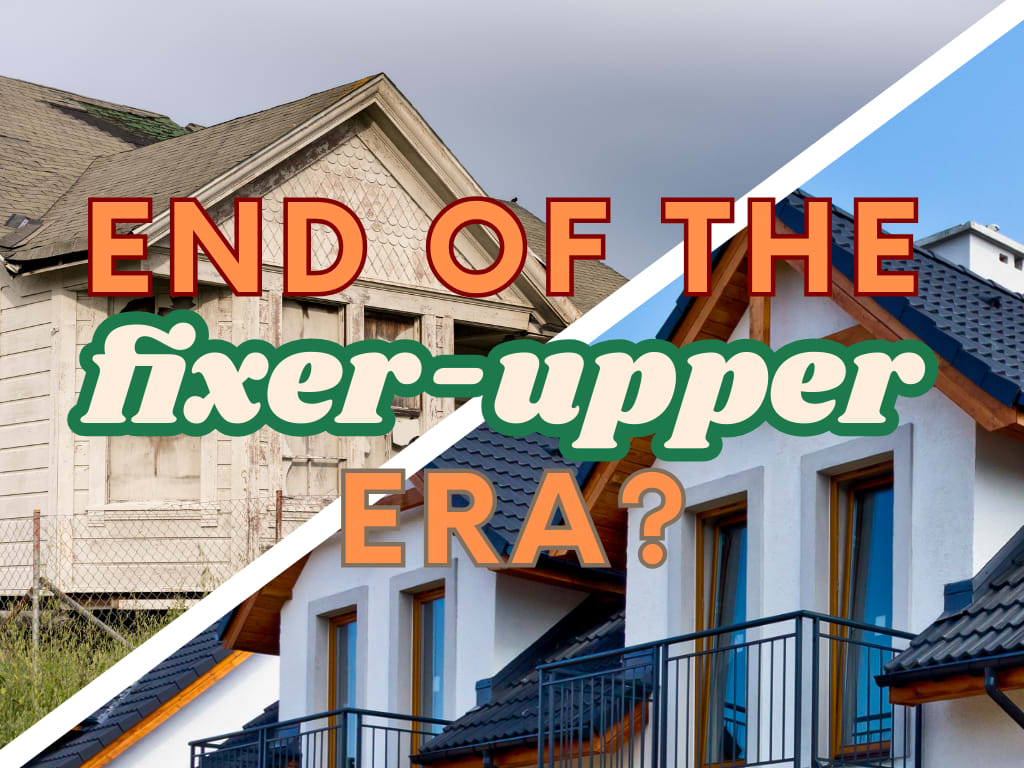
The End of the Fixer-Upper Era?
Once a staple of affordable housing options, fixer-uppers are now often the domain of cash-rich buyers looking for a project. Zillow's data shows that homes labeled "fixer-upper" are selling for 7.3% less than comparable homes, the largest price gap in three years. Homes needing "TLC" or "work" are seeing discounts of around 8%, or roughly $28,000 off the price of a typical U.S. home.
However, those savings may not be as significant as they first appear. With renovation costs rising alongside inflation and high-interest rates, the financial benefit of purchasing a fixer-upper may quickly diminish.
The Rise of Renovated Homes
The boom in renovated homes began in the mid-2010s when millennials, many of whom were first-time buyers, turned to fixer-uppers as a more affordable entry point into homeownership. TV shows like Fixer Upper and the DIY trend inspired many to take on renovation projects themselves. Rising home prices made these fixes worthwhile, as homeowners could afford a few hiccups while watching their home's value appreciate quickly.
But the landscape has changed. Home value appreciation has slowed significantly, with homes in 2024 appreciating by just 2.6%. Zillow projects only 2.9% growth in 2025. As the housing market cools, sellers can no longer count on a costly renovation to automatically boost their home's value.
Today, nearly 30% of homes listed on Zillow are described as “renovated,” a trend fueled by the pandemic-driven renovation boom, increased home equity, and aging housing stock. These newly updated homes are now entering the market just as buyers are seeking move-in-ready options, especially with the spring home buying season on the horizon.
Key Takeaways for Buyers and Sellers
For homebuyers, purchasing a remodeled home offers a clear advantage in terms of immediate livability and fewer unexpected costs. Sellers looking to maximize their sale price should consider renovations or improvements before listing. As the market shifts, the focus on move-in-ready homes continues to grow, and those seeking fixer-uppers will need to weigh the true cost of renovations before making an offer.