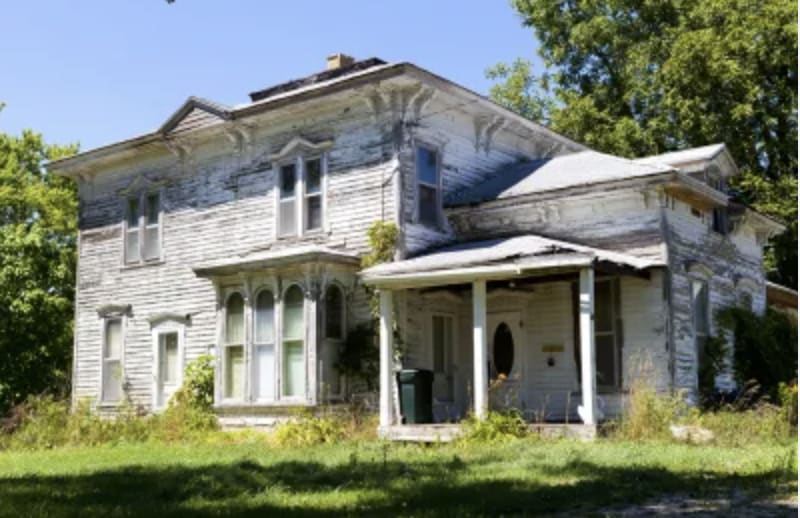

The Question Every Seller of a Dated Home Eventually Faces
You know your home has value. It may have a great layout, a solid location, good bones, and years of memories built into the walls.
But the buyers walking through may be seeing something else:
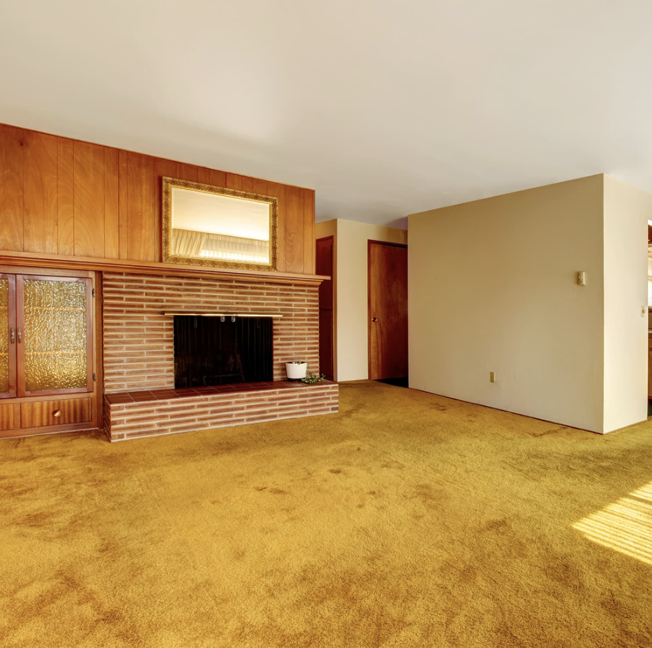
Old carpet.
Honey oak cabinets.
Brass fixtures.
Laminate counters.
Wallpaper that had a good run and should now be allowed to retire with dignity.
When a home for sale feels dated, sellers usually face three main options:
- Reduce the price
- Offer buyer credits
- Make updates before or during the sale process
Each can work. Each can also backfire if used the wrong way.
The goal is not to make the home perfect. The goal is to make the home easier for buyers to say yes to.
Option 1: Reducing the Price
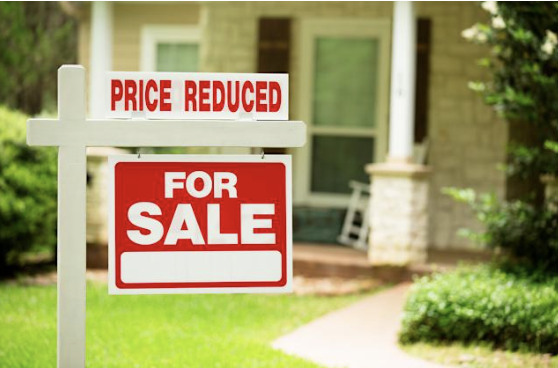
A price reduction is often the simplest solution when a home feels dated. If buyers believe the home needs work, they will usually discount the price in their own minds anyway.
The question is whether your list price already accounts for the condition.
If your home is priced like an updated property but shows like a project, buyers may hesitate. They may compare it to homes with newer finishes and decide yours feels overpriced, even if the square footage, location, or lot size are strong.
A price reduction can help when:
- The home has been on the market with limited showings
- Buyers are giving consistent feedback about condition
- Competing homes are more updated at similar prices
- The updates needed are substantial or difficult to estimate
- You do not want to manage repairs or improvements before selling
The downside is that a price reduction does not always solve the buyer’s emotional reaction.
A buyer may intellectually understand that the price is lower because the home needs updates. But they still have to picture themselves living there. If the home feels like too much work, some buyers will simply move on.
In other words, price matters. But presentation still matters.
Option 2: Offering Buyer Credits
Seller credits can be useful because they give buyers money toward closing costs, rate buydowns, or sometimes repairs and improvements, depending on the loan program and lender rules.
For example, a seller might offer a credit so the buyer has more cash available after closing to replace flooring, update paint, or handle other improvements.
Credits can be especially helpful when buyers are stretched thin after making a down payment and covering closing costs. Many buyers can afford the monthly payment but do not have an extra $15,000 sitting around for flooring, paint, and counters.
Apparently money does not grow on trees. Disappointing development.

Seller credits may work well when:
- The home needs cosmetic updates, but is otherwise functional
- Buyers are payment-sensitive
- The buyer pool includes first-time buyers
- The home needs improvements that different buyers may want to customize
- You want to avoid guessing which updates buyers will prefer
However, credits have limits.
The biggest issue is that a credit does not improve the first impression. Buyers still have to walk through the home and feel excited enough to write an offer. If the carpet, paint, lighting, or overall presentation creates a negative reaction, a credit may not be enough to overcome it.
If done properly, you could create renderings as part of the marketing, but disclosure will be important.
Also, seller credits must fit within loan guidelines. The amount a buyer can receive may depend on the loan type, down payment, and how the credit is structured. This is where it helps to have both real estate and mortgage guidance involved before making promises in the listing.
Option 3: Making Updates Before Selling
Sometimes the best move is to make strategic updates before putting the home on the market.
Not a full remodel. Not a HGTV fever dream. Strategic updates.
The key is to focus on improvements that remove buyer objections and improve the home’s first impression.
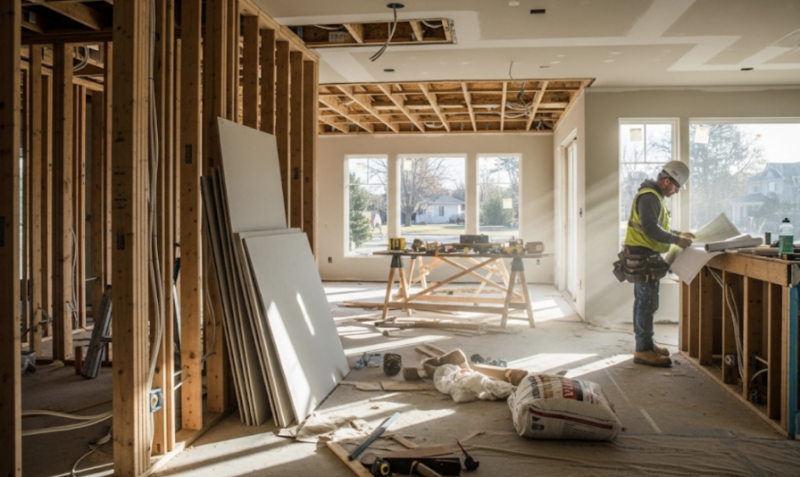
Good candidates often include:
- Interior paint
- Flooring
- Light fixtures
- Cabinet hardware
- Deep cleaning
- Landscaping touch-ups
- Minor repairs
- Removing old window coverings
- Updating heavily dated features that dominate the room
The best updates are usually simple, visible, and broad in appeal.
For example, replacing worn carpet and repainting the interior may make a home feel dramatically cleaner and more move-in ready. That can affect buyer confidence immediately.
Updating can make sense when:
- The home has strong underlying value
- The dated condition is mostly cosmetic
- The improvements can be done quickly
- The cost is reasonable compared to the likely increase in buyer interest
- The updates will help the home compete with nearby listings
The risk is over-improving.
Not every project pays for itself. Sellers can get into trouble when they spend too much, choose finishes that are too personal, or start a project that delays the listing without meaningfully improving marketability.
The goal is not to create your dream home. You are leaving. That ship has sailed, and you are waving politely from the dock.
The goal is to help the next buyer see the home clearly.
Bonus Option 4: Making Updates Part of the Sale
Updating is expensive and there's no guarantee about your return on investment, so you may not want that risk. What if, instead, you agreed to make updates as part of the sale?
We are doing this with a home right now: list it for sale with two prices: one higher and one lower. Include photos of how the house looks today and photos/renderings of it can look like at the higher price. The buyer can choose: save on total price or pay more and get a better (more updated) house.
This is a mix of the best of everything: the house is updated, drawing more buyers, you don't pay for it up front, reducing your risk. I'm the only agent I know doing it now, and we put a home under contract ("gone pending") after 36 hours. We'd been marketing the home for $650k after a price drop, but still no sale. Rather than drop it again, the seller agreed to let me market the home for $645k - $665k, depending on whether they wanted the updates. They did. It takes some project management, but in our case - and most if it's done right - the net proceeds to the seller at closing are higher than they would be if the price was simply reduced.
How Buyers Think About Dated Homes
Most buyers do not evaluate dated homes purely with a calculator.
They may say, “We can update it over time,” but what they often feel is:
- “How much will this cost?”
- “Who do we call?”
- “What if the project gets bigger?”
- “Can we afford this after closing?”
- “Is this house going to become a second job?”
That uncertainty causes hesitation.
This is why small improvements can matter. A dated home does not have to be fully remodeled, but it does need to feel manageable.
Buyers are more likely to take on projects when the home feels clean, cared for, and priced appropriately.
They are less likely to take on projects when the home feels neglected, overpriced, or overwhelming.
So Which Strategy Is Best?
There is no one-size-fits-all answer, but here is a useful way to think about it.
Reduce the price when:
The updates needed are significant, the seller does not want to complete work, or the home is already sitting on the market without enough activity.
This is often the cleanest path when the market has already spoken.
Offer credits when:
The home needs cosmetic work, but buyers may prefer to choose their own finishes, or affordability is a major issue for the buyer pool.
Credits can be especially useful when paired with smart pricing.
Make updates when:
Relatively simple improvements could dramatically improve first impressions and make the home easier to sell.
This often works best when the home has good bones but needs help looking fresh, clean, and current.
The Best Strategy May Be a Combination
In many cases, the smartest approach is not just one of the three. It may be a combination.
For example:
- Paint and clean before listing
- Price slightly below the fully updated competition
- Offer a modest credit if buyer feedback shows concern about remaining updates
Or:
- Replace worn flooring
- Leave the kitchen alone
- Price the home to reflect that the kitchen is dated but functional
Or:
- Do no updates
- Price aggressively from the start
- Market the home clearly as an opportunity for a buyer to customize
The right plan depends on the home, the neighborhood, the price point, the likely buyer, and the current competition.
The Mistake Sellers Should Avoid
The biggest mistake is pricing a dated home as though the updates have already been done.
Buyers notice.
Agents notice.
The market notices.
And the market is not known for its warm bedside manner.
A home can be dated and still sell well. But the pricing, presentation, and marketing need to be honest about what the home is and where the opportunity is.
Trying to “test the market” with a high price can lead to longer days on market, reduced buyer urgency, and eventual price reductions that make buyers wonder what is wrong with the property.
A Better Way to Sell a Dated Home
Before deciding whether to reduce the price, offer credits, or make updates, start with these questions:
- What are buyers likely to object to first?
- Are the issues cosmetic, functional, or both?
- What are updated homes nearby selling for?
- What are dated homes nearby selling for?
- Would small improvements change the buyer’s emotional reaction?
- Would credits help the likely buyer pool?
- Is the seller willing and able to manage updates before listing?
- Will the cost of updates likely produce a better result?
The best decision comes from looking at the home through the buyer’s eyes, not the seller’s memories.
That can be hard, but it is necessary.
Final Thought
If your home is dated, you do not automatically need a major remodel before selling. In many cases, that would be unnecessary and expensive.
But you do need a strategy.
Sometimes that strategy is price.
Sometimes it is credits.
Sometimes it is selective updates.
Often, it is a thoughtful mix of all three.
The right plan should help buyers see the opportunity without feeling overwhelmed by the work.
If you are thinking about selling a dated home in the Portland area, I can help you compare your options before you spend money, reduce the price, or offer credits that may or may not solve the real problem.
Sometimes the smartest move is not doing more. It is doing the right things in the right order.
Thinking about selling a home that could use some updating?
Call or text me before you start spending money. I can help you decide what is worth doing, what is better left alone, and how to position the home so buyers see opportunity instead of a to-do list.