
Are Portland Real Estate Investing Strategies Dead? The Truth About the 2026 New Construction Pullback
![[HERO] Are Portland Real Estate Investing Strategies Dead? The Truth About the 2026 New Construction Pullback](https://cdn.marblism.com/3RCj_vLer6S.webp)
The headlines would have you believe that investing in Portland real estate in 2026 is about as profitable as opening a store that exclusively sells VHS tapes. Between the "five-alarm wake-up calls" from national trend reports and the visible pullback in new construction, it is easy to assume the party is over.
But if you have spent any time in the Portland housing market 2026, you know that the headlines rarely tell the whole story. While institutional capital might be looking elsewhere, the boots-on-the-ground reality for local investors is shifting from "easy money" to "strategic accumulation."
The truth is that the current pullback in new construction isn't a sign of a dying city. It is a supply constraint that is effectively building a moat around existing assets. If you are looking to understand where portland oregon home values are headed, you have to look at what isn’t being built.
Why the New Construction Pullback is Your Best Friend
It is no secret that developers are hitting the brakes. High land costs, a notoriously "enthusiastic" permitting process, and interest rates hovering around 6.5% have made large-scale new builds a risky bet for many.
Per recent market data: “Portland ranks near the bottom of national emerging trend reports for 2026, largely due to the difficulty of bringing new inventory to market profitably...”
For the casual observer, this looks like a red flag. For the seasoned investor, this is a supply-side safety net. When builders stop building, the existing inventory becomes the only game in town.
Think of it this way: every time a developer cancels a 50-unit project because the math doesn't work, the value of your existing rental property just found a firmer floor. We are looking at a market where the "housing shortage" is being reinforced by economic friction. This protects your equity from being diluted by a sudden surge of brand-new, shiny competition down the street.
Are you worried about a price collapse? In a market with a vacancy rate still sitting between 4.5% and 5%, a lack of new supply makes a significant drop in portland oregon home values highly unlikely.

The Pivot to "Value-Add" Renovations
If you can't buy a brand-new four-plex, the strategy shifts to manufacturing that value yourself. The days of "buying and hoping" for 20% annual appreciation are gone, replaced by the "Value-Add" pivot.
We are seeing a significant move toward homes with "solid bones" in established neighborhoods that need a cosmetic or functional overhaul. This isn't just about flipping; it’s about long-term hold strategies that force appreciation in a market that is otherwise appreciating at a modest 1–3%.
What does a successful value-add look like in 2026?
- Updating mechanical systems to meet modern energy standards (and lowering your long-term maintenance costs).
- Converting unused basement space into legal living area.
- Focusing on "hyper-local" demand in areas like Washington County or the Central Eastside.
When you take a dated property and bring it up to 2026 standards, you aren't just waiting for the market to lift you up. You are creating a spread between your purchase price and the after-repair value that protects you regardless of what the Fed does next month.
Manufacturing Equity with ADUs and Multi-Gen Zoning
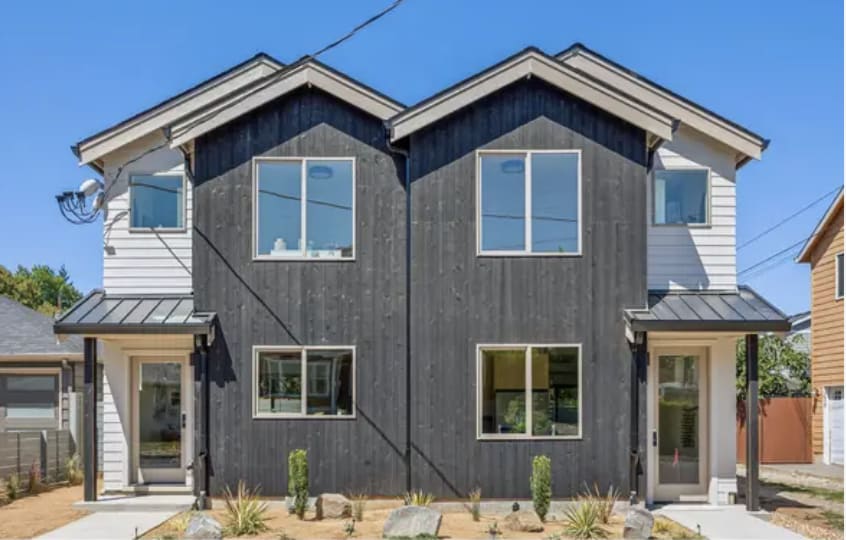
Portland has some of the most progressive zoning laws in the country, specifically the Residential Infill Project (RIP). While the "Big Builders" are struggling with scale, the small-scale investor can thrive by adding density to single-family lots.
Have you considered how an Accessory Dwelling Unit (ADU) changes your cash-flow math?
In many parts of the Portland Metro, you can now turn a standard residential lot into a two, three, or even four-unit configuration. This allows you to "manufacture" equity and rental income on land you already own or are buying at a single-family price point.
Per local zoning experts: “The ability to add density to existing lots is the single greatest tool for the independent investor to combat high entry costs in the Portland market...”
This strategy is particularly effective for "house hacking" or multi-generational living setups, which are in high demand as housing affordability remains a challenge for first-time buyers. If you are looking for ways to maximize your portland oregon real estate investing returns, the backyard is often the most profitable place to start.

The 2026 Rental Market Reality: Rent vs. Buy Math
The "Rent vs. Buy" debate has taken a cynical turn in 2026. With the median sale price hovering around $515,000 and mortgage rates refusing to return to the "free money" era of the early 2020s, many would-be buyers are becoming long-term renters.
This is a win for the "buy and hold" investor.
While cap rates are compressed (often in the 4.5–5.5% range), the quality of the tenant pool has shifted. We are seeing high-income professionals: the ones who would have bought a home five years ago: staying in the rental market longer. This leads to:
- Lower turnover rates.
- Reduced "wear and tear" from transitional tenants.
- Consistent, predictable rental growth that tracks with inflation.
Is it harder to find a property that "cash flows" on Day 1 with 20% down? Absolutely. But real estate investing in Portland has always been a total return play: combining debt paydown, tax benefits, and long-term appreciation. If you can cover your carry costs today, the supply constraints mentioned earlier suggest you will be very happy with your position in 2030.
What This Means for You
Does this mean every house in Portland is a gold mine? Of course not. The "buy anything and win" era is firmly in the rearview mirror.
Success in the current market requires a more surgical approach. You need to know which neighborhoods are seeing a pullback in construction and which ones are about to see a surge in demand due to infrastructure or employer shifts (think Intel’s continued expansion or the evolution of the Pearl District).
You also need to be realistic about your numbers. The "50% rule" for operating expenses is often optimistic in Portland, where property taxes and maintenance for older "solid-bone" homes can bite into your margins.
Questions you should be asking right now:
- Does this property have the potential for an ADU or internal conversion?
- How does the current rent compare to the market rate for a renovated version of this unit?
- What is the 10-year outlook for this specific sub-market?

The W Real Estate Group Edge
Navigating the portland housing market 2026 isn't something you should do based on a YouTube tutorial or a national news snippet. You need a partner who understands the difference between a "money pit" and a "value-add opportunity."
At The W Real Estate Group at Keller Williams Portland Elite, we don't just send you automated listings from the MLS and hope you click "buy." We provide the strategy that fits your specific financial goals.
We help our clients with:
- Strategy Development: Deciding between a long-term hold, a value-add renovation, or a density play.
- Contractor Intros: Connecting you with the people who can actually get the work done without disappearing halfway through the project.
- ROI Analysis: Running the real numbers: including the Portland-specific taxes and fees that other agents might overlook.
If you are ready to stop worrying about the headlines and start looking at the data, we are here to help. Whether you are looking to sell an existing asset or find your next high-potential property, our team has the local expertise to guide you through.
Investing in Portland isn't "dead": it's just evolved. The question is, are you evolving with it?
Bottom Line
The new construction pullback is creating a unique window for investors who are willing to do the work. By focusing on supply constraints, value-add opportunities, and the reality of the 2026 rental market, you can build a portfolio that thrives while others are waiting on the sidelines.
For more information on current opportunities or to discuss your specific investment goals, feel free to reach out. We aren't just selling houses; we're helping you build wealth in one of the most unique markets in the country.
Contact Dan Walters and The W Real Estate Group: Visit our website to browse current listings or check our testimonials to see how we’ve helped other investors navigate the Portland Metro.
Ready to dive in? Search the latest Portland listings here.